

- Details
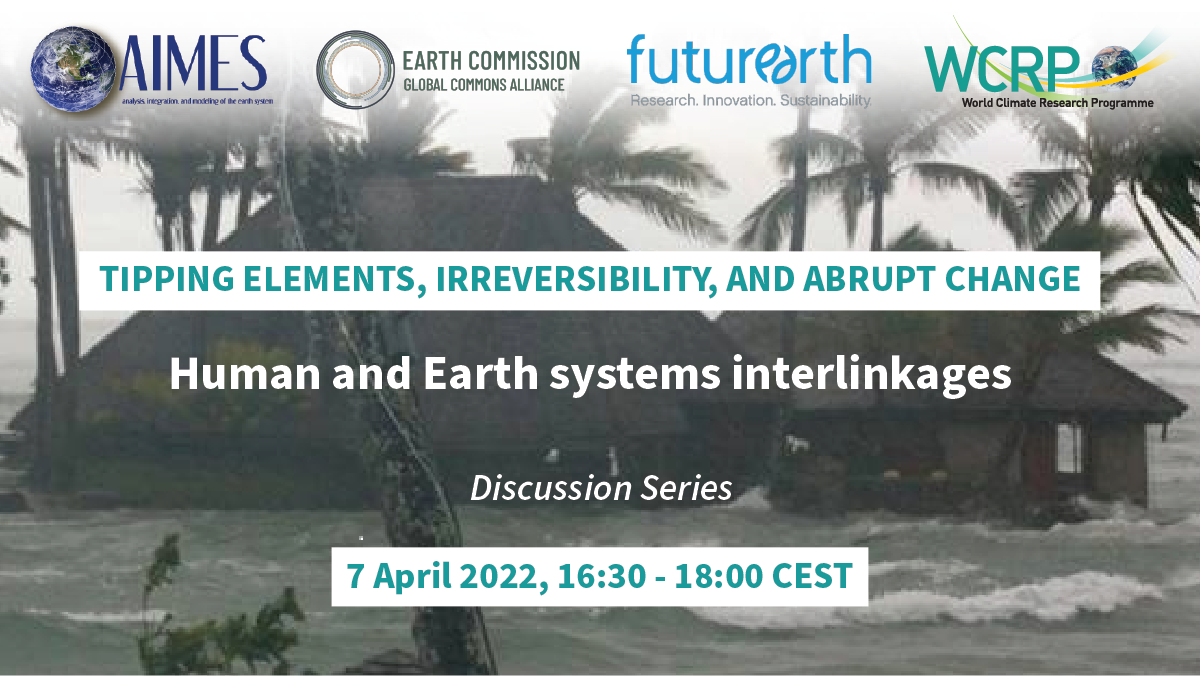
Tipping Elements, Irreversibility, and Abrupt Change Discussion Series
7 APRIL 16:30 - 18:00 CEST
We invite you to join AIMES, the Earth Commission, Future Earth, and WCRP Safe Landing Climates Lighthouse Activity for an upcoming event in our discussion series aimed at advancing knowledge on tipping elements, irreversibility, and abrupt changes in the Earth system. To register for the event, please see the event site.
- Details
A virtual summer school on 'Attribution, causality, and decision-making' in climate variability and change will run from 6-10 June 2022. Topics will include event attribution, trend attribution, philosophical issues in attribution, causality, and decision-making. The summer school is run by the joint Reading-Imperial Ph.D. programme, “Mathematics of Planet Earth,” and is co-sponsored by WCRP, through the My Climate Risk (MCR) Lighthouse Activity, and by the Walker Institute (a planned MCR hub).
A more detailed syllabus and information on how to apply can be found on the summer school webpage. The deadline for applications is 2 May 2022.
- Details
The main session of the 43rd Joint Scientific Committee meeting (JSC-43) will be held virtually during 27 June- July 1, with a JSC-only meeting to be held around a week later.
Attendance at this virtual JSC-43 is by invitation only. Should you wish to attend please contact Mike Sparrow (
For further details see: https://www.wcrp-climate.org/jsc43-about.
- Details
The WCRP My Climate Risk Lighthouse Activity invites interested researchers to nominate themselves for its Scientific Steering Group (SSG), which is responsible for the overall scientific direction of the activity. To find out more and to apply, please see the open call webpage.
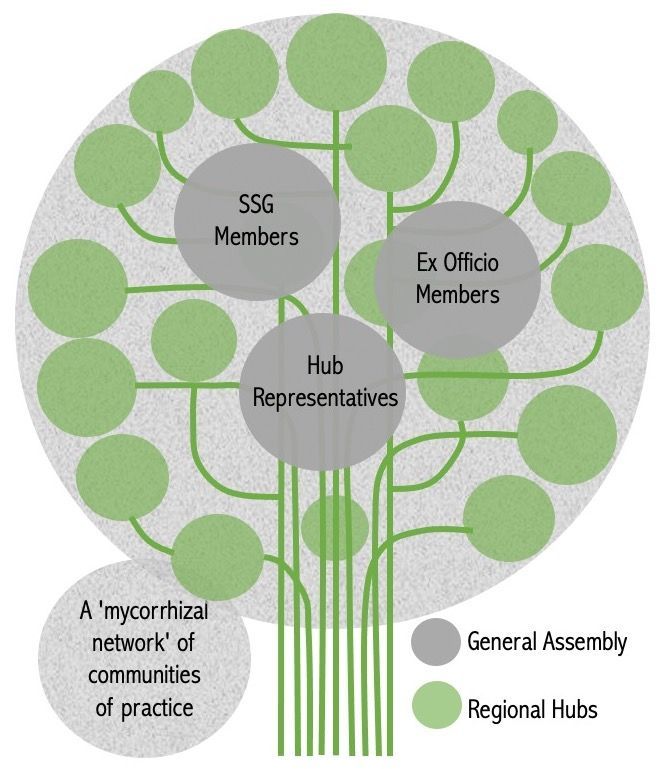
My Climate Risk Structure
- Details
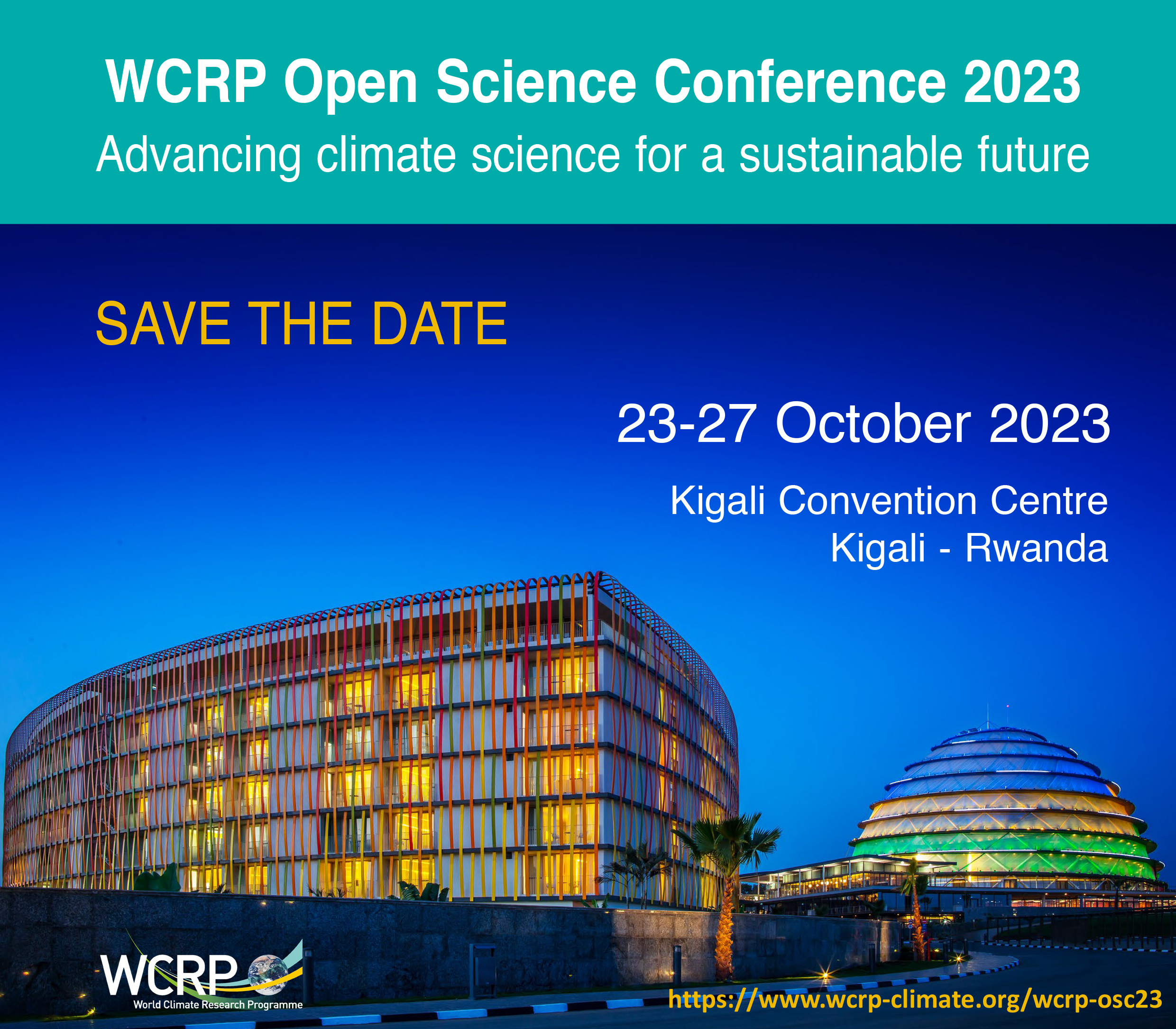
WCRP is delighted to announce that the WCRP Open Science Conference (OSC) 2023 (#WCRP2023) will take place in Kigali, Rwanda on 23-27 October 2023, at the Kigali Convention Centre.
The Rwanda Environment Management Authority (REMA), on behalf of the Government of Rwanda, provided a strong proposal to host the WCRP OSC 2023 in Kigali and will support WCRP to deliver a true hybrid event. This event at the heart of the African continent will allow strong engagement with research communities, stakeholders and practitioners in Rwanda and the region. This will be facilitated by joint efforts with local partners, such as the Rwanda Meteorology Agency and the University of Rwanda.
The WCRP OSC 2023 Scientific Organising Committee has already started to discuss the format of the conference to ensure that it will foster future climate science leadership, through workshops, public exhibits, forums, and other associated events. A fundraising drive is also in place, as well discussions on innovative ways to deliver effective remote participation options to ensure inclusion and engagement while minimizing our carbon footprint.
The path is set! All roads lead to Kigali!
To know more click here.
- Details
The main goal of the workshop will be to identify the key contemporary challenges for climate modelling and to plot a course forward from present practices that will allow us to rise to major new challenges for climate research by exploring opportunities for climate modelling that exist now and into the coming decades. Major new modelling challenges arise from the need to provide ever more detailed and actionable climate change information to society and decision makers whilst continuing to support advancements in climate science, including improved process understanding and modelling developments.
To know more click the heading above.
- Details
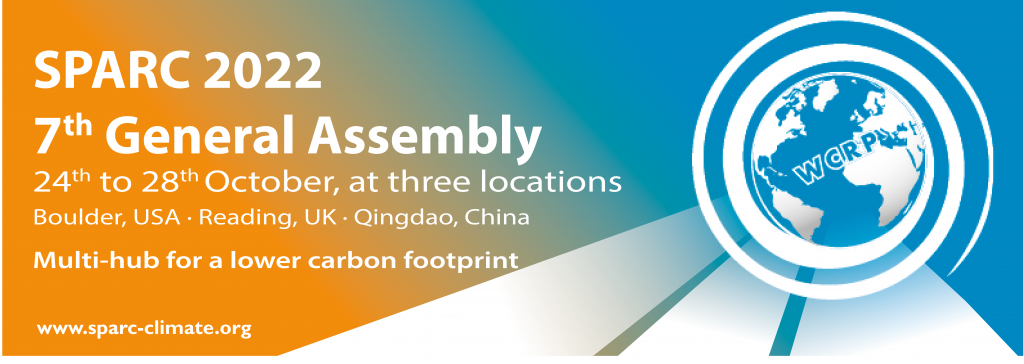
SPARC (Stratosphere-troposphere Processes And their Role in Climate) is holding its 7th General Assembly (GA) from 24th to 28th October 2022. The format of the SPARC GA will be different from past GAs, as it will be on a multi-hub basis with three locations (hubs) confirmed at the National Center for Atmospheric Research (NCAR), in Boulder, USA, the European Centre for Medium-Range Weather Forecasts (ECMWF), in Reading, UK, and the First Institute of Oceanography (FIO) in Qingdao, China.
- Abstract submissions and travel support requests are now open.
- For more information and submissions, visit the conference webpage and announcement.
- Details
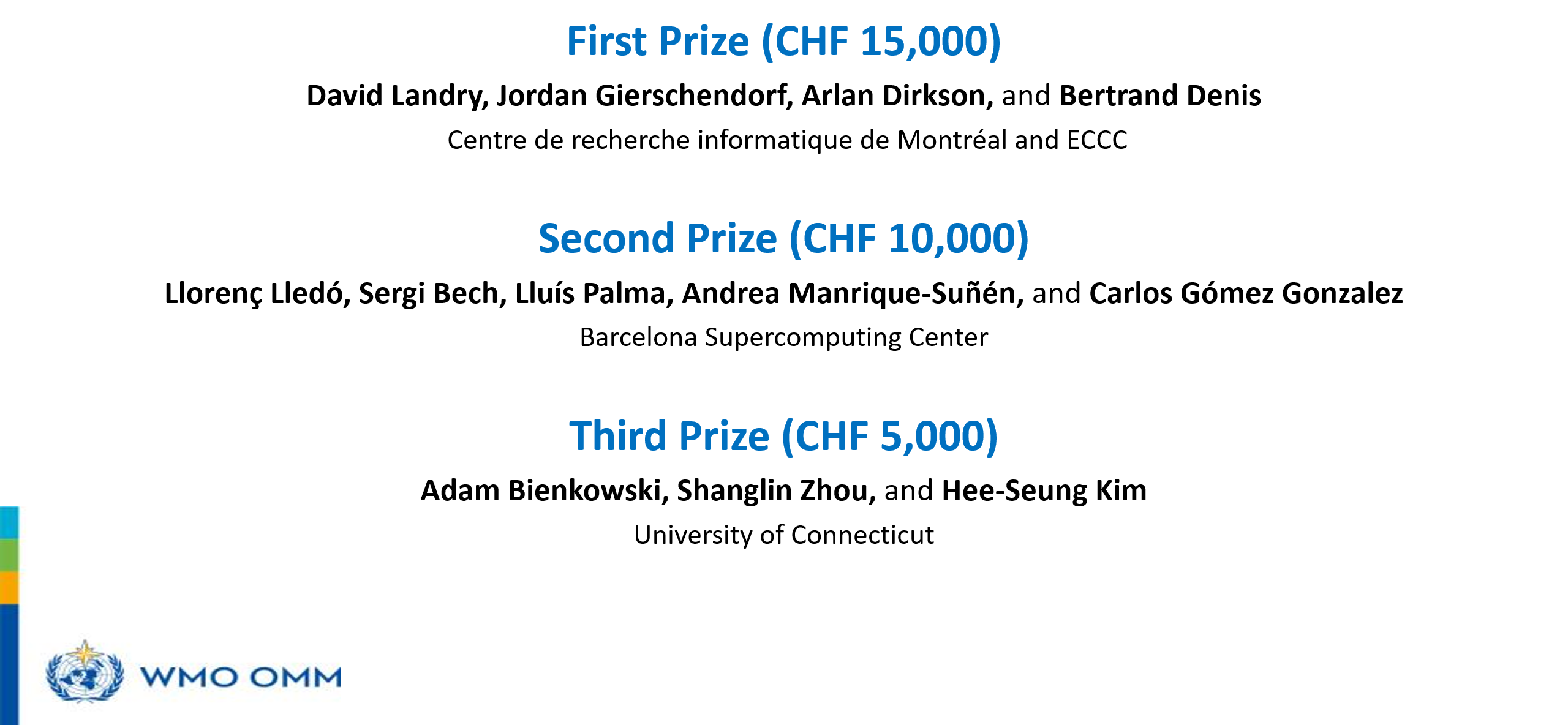
We congratulate the winners of the WMO Prize Challenge to improve Sub-seasonal to Seasonal Predictions using Artificial Intelligence!
To know more click the heading above.
- Details
On this International Women’s Day, we have spoken to some of our researchers from around the world to find out their views on ways that our institutions and programs like WCRP can help make a difference for women aspiring to have a productive and fulfilling career in climate science. To hear what they have to say, click the heading above.

- Details
March 2022
The future of CMIP and climate modelling
In this issue of World Climate Research Programme (WCRP) Insights, we focus on the future of climate modelling. There is an ever-increasing demand on climate models to answer questions about what our climate will be like in the next years, decades and centuries. In 2022, the WCRP community will be looking at the best way forward to ensure that we are ready to answer those questions to our best ability.
- Details
The World Climate Research Programme (WCRP), the World Weather Research Programme (WWRP), and the International Monsoons Project Office (IMPO) held an online celebratory event on 28 February 2022 to officially launch the IMPO and to highlight the consolidation of monsoon research under WCRP and WWRP. The IMPO is hosted and kindly supported by the Indian Institute of Tropical Meteorology (IITM, Pune - India) and will be a global hub of monsoons research.
To view the recording of the event, click here
In parallel, a recently published review in online BAMS on `Monsoons in Climate Change’ also highlights WCRP/WWRP joining hands to advance global monsoons research as well as the establishment of the IMPO. To read the review, click here.
- Details
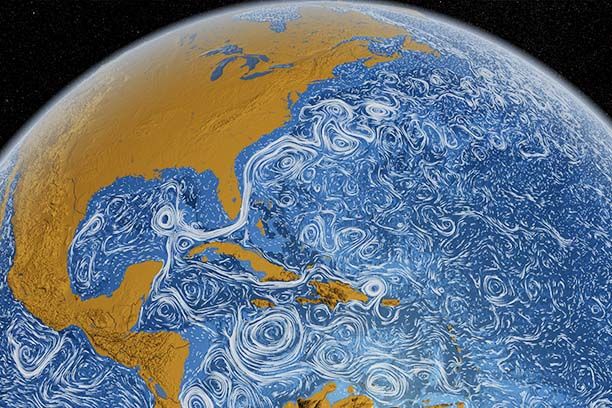
We have a nice package of modelling workshops and activities planned in 2022, all part of the new WCRP Earth System Modelling and Observations (ESMO) Core Project. How do they fit together and how will the outcomes shape the future of climate modelling? To find out more, click the heading above.
- Details
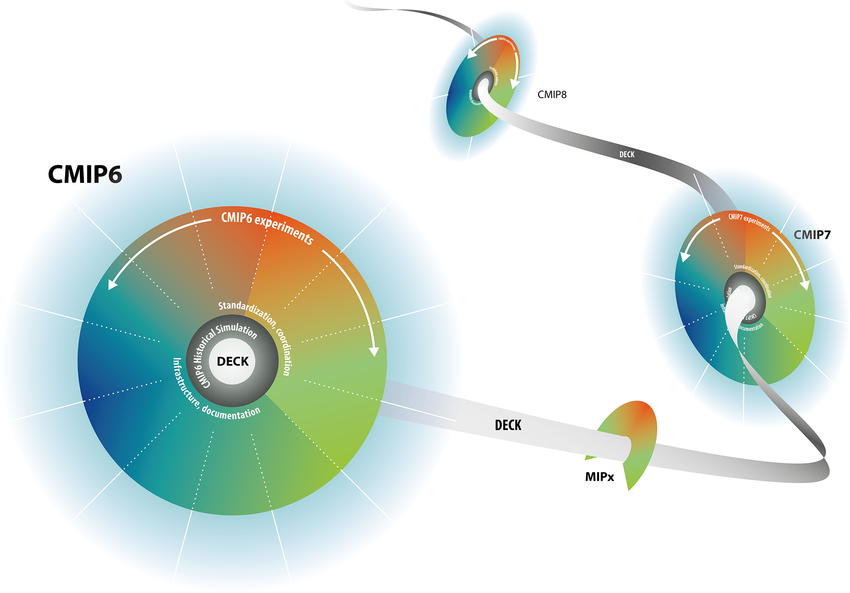
The Coupled Model Intercomparison Project (CMIP) is a strong foundation of climate science. Here we talk about CMIP, its new International Project Office, and provide some insights into what you can expect from CMIP in the next years. To read more, click the heading above.
- Details
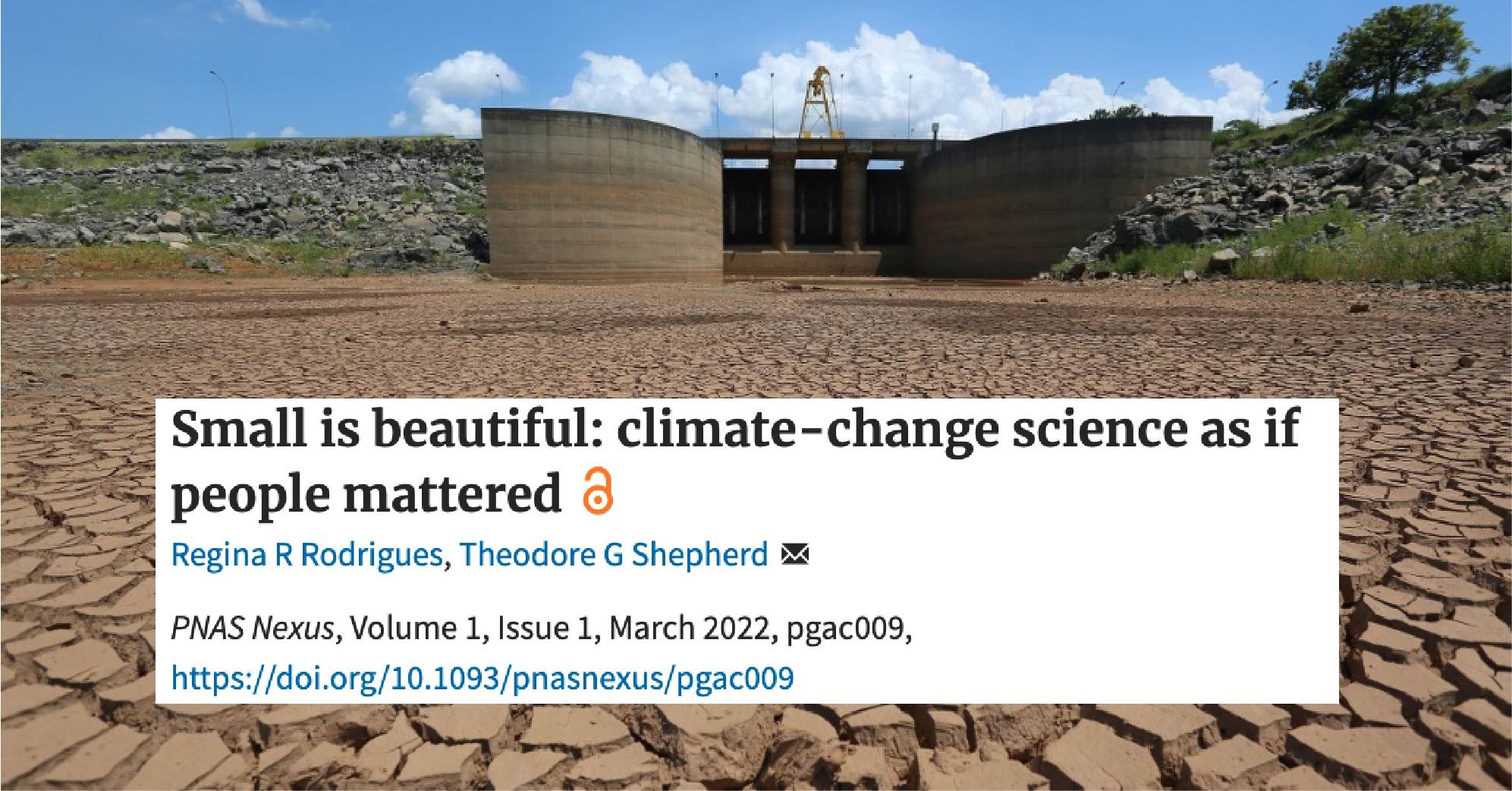
A new paper by Regina Rodrigues and Ted Shepherd looks at climate-change science from the perspective of economic concepts from E.F. Schumacher's famous book 'Small is Beautiful', to see what light they shed on dealing with the complexity of local situations, deep uncertainty, and the need to empower local communities under a changing climate. To learn more, click the heading above.
- Details
"Dear members of the WCRP community,
I am writing to you all today to express my personal dismay about the war of aggression that the Russian government has unleashed on Ukraine and its citizens. I am following here the ISC Governing Board, one of our co-sponsors, which expressed its unequivocal support of the Ukrainian people. The Governing Board also affirms its intention to assist scientists from Ukraine, and to seek to maintain international scientific collaboration amidst geopolitical tensions. The ISC therefore is not considering the suspension of any of its members. The statement of the ISC Governing Board can be read here: https://council.science/current/news/isc-statement-ukraine/
As to our work, every member of WCRP bodies acts in a personal capacity and does not represent their country. Certainly, the conflict is impacting climate research and we have to await how the entire conflict will evolve. We all hope for the rapid return to peace and a rational interaction of nations. Until further notice, every member of all WCRP bodies must act according to the instructions given by their home institutions.
With respect to scientific events to be held in Russia or Ukraine, our clear advice is to find alternative options until peace is restored.
With best regards
Detlef"
- Details
WCRP is calling for (self-)nominations for membership of the World Climate Research Programme's Joint Scientific Committee (JSC), for a four-year term from 1 January 2023 to 31 December 2027. This call is now closed.
- Details
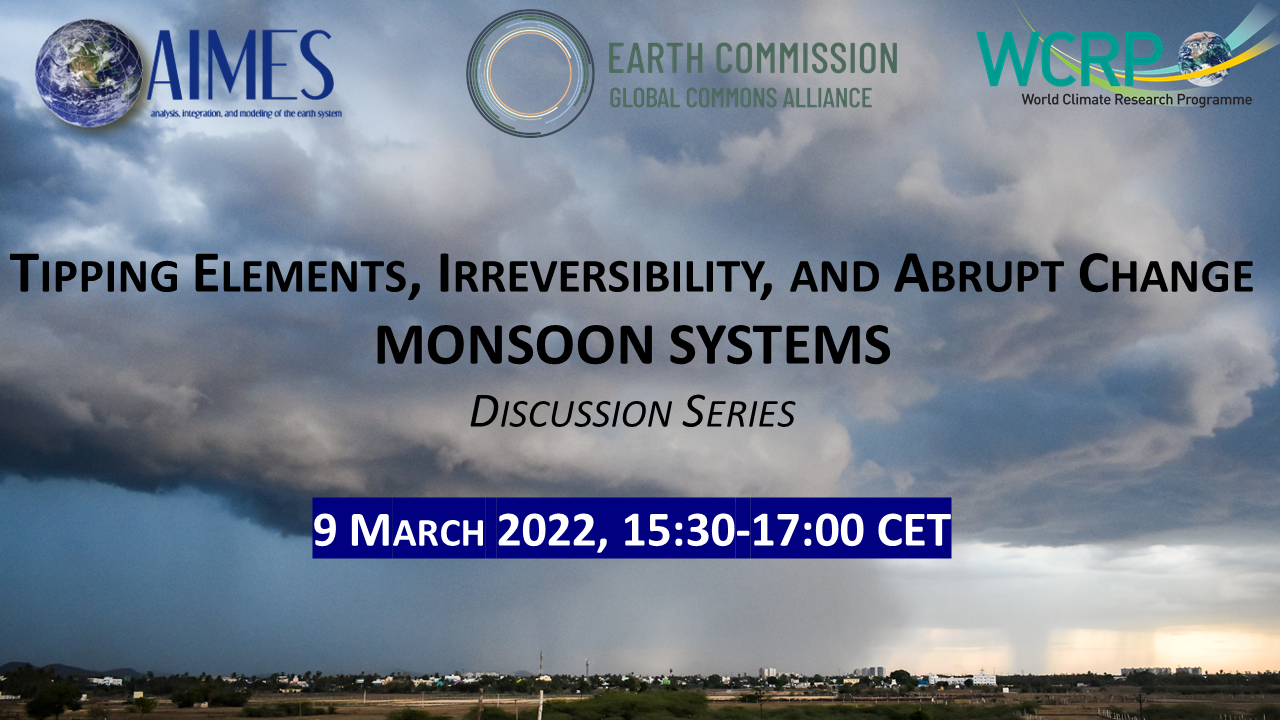
We are delighted to invite you to the sixth event in the discussion series on tipping elements, this time focusing on the role of monsoon systems. It will take place on 9 March 2022, 15:30 - 17:00 CET. The two talks of the event will be given by:
- South Asian Monsoon tipping – Ashwin Seshadri
- African Monsoon and potential greening of the Sahara – Francesco Pausata
The session will be recorded and posted on the event site a day or two after the event. To register for the event, please see the event site.
- Details
The Intergovernmental Panel on Climate Change (IPCC) has just released the Summary for Policymakers of the report Climate Change 2022: Impacts, Adaptation and Vulnerability. It issues a dire warning on the urgency of the responses needed to the impacts of a changing climate. For more information, click the heading above.
- Details
The “CMIP Community next steps survey” has already received over 200 responses but we want to make sure that a wider range of groups around the world have had time to provide input, and in many cases, in a coordinated way.
Therefore, we are extending the deadline for the completion of the survey to 14th March 2022.
https://www.wcrp-climate.org/cmip-survey
We are in particular very keen to have responses from users of the data, from the academic and policy-making world. This is your chance to help us shape the future of CMIP!
- Details
Building on the success of the Sea Level 2017 Meeting in New York, the World Climate Research Program (WCRP) Grand Challenge on “Regional Sea-Level Change and Coastal Impacts” will hold the Sea Level 2022 meeting on 12-16 July 2022 in Singapore. This is three years after the IPCC Special Report on the Ocean and Cryosphere in a Changing Climate (SROCC) report and one year after the publication of the new IPCC WG1 AR6 report. The conference will provide an opportunity to share the present status of climate-related sea-level research and will have a strong focus on application of sea-level science for adaptation and stakeholder needs.
Call for abstracts and registration to the Sea Level 2022 Conference are open.
- Deadline for abstract submission has been extended to 15 April 2022.
- Deadline for Early bird registration: 1 April 2022
- To read the conference flyer, click here.
- Details

The forum brings together a diverse set of communities who are using or developing scenarios for use in climate change and sustainability analysis to:
- exchange experiences, ideas, and lessons learned;
- identify opportunities for synergies and collaboration;
- reflect on the use of scenarios; and
- identify knowledge gaps for future research.
The Scenarios Forum welcomes abstracts for sessions during the conference. Deadline extended to February 21, 2022
- For further details see: https://scenariosforum.org/
- Details
Future Earth, The Earth League, and the World Climate Research Programme (WCRP) have begun preparing the 10 New Insights in Climate Science 2022 and are scoping expertise from around the globe for inputs on which key findings should be featured. You are invited to contribute to the 2022 instalment of the 10 New Insights in Climate Science by answering the call for topics form by February 20. This annual series is a major synthesis of essential and recent climate-related research and an important science-policy contribution.
-
To see the outcomes of 2021 edition, click here
- Details
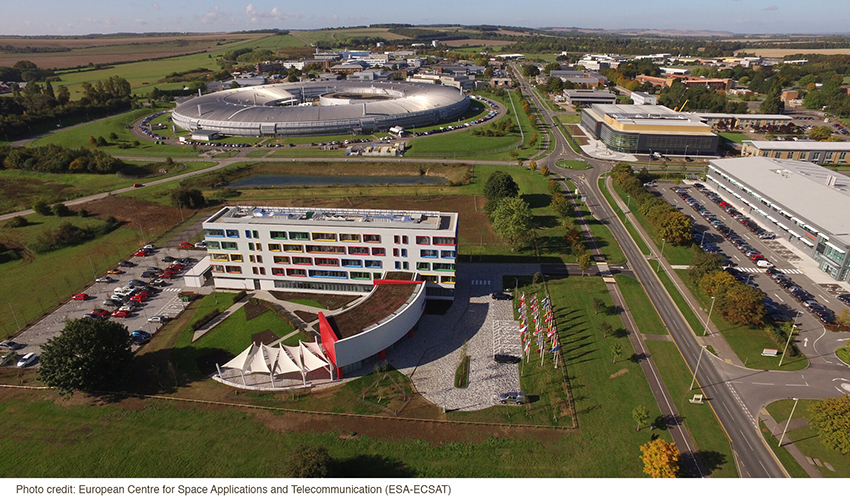
Climate models are an important tool for scientists to understand our past climate and provide projections of future change. As such, they are in increasing demand as part of efforts to avert global warming and reduce risks associated with environmental change. To meet this demand, the World Climate Research Programme will open a new international office in the United Kingdom on 1 March 2022 that will coordinate the programme’s Climate Model Intercomparison Project. The new office will be under the leadership of the World Climate Research Programme (WCRP) Working Group on Coupled Modelling (WGCM), its Infrastructure Panel (WIP) and the CMIP panel. This will enable participating research groups to focus on the most urgent climate science questions, while also meeting the needs of a growing and diverse user base.
Headed by incoming director, Eleanor O’Rourke, the new office will enhance the effectiveness and efficiency of support for national and international assessments, and coordinate discussions with the scientific and user communities on further standardisation protocols, data policy and quality-control of model output and analysis.
To learn more, click here.
- Details
The World Climate Research Programme (WCRP), the World Weather Research Programme (WWRP), and the International Monsoons Project Office (IMPO) cordially invite you to an online event celebrating the launch of the International Monsoons Project Office hosted by the Indian Institute of Tropical Meteorology (IITM), Pune, India.
IMPO, a joint effort by WMO and IITM that will coordinate and support global monsoon research activities of WCRP and WWRP, was established at IITM in 2021. To commemorate the launch and to highlight the consolidation of monsoon research under WCRP and WWRP with IITM’s continuous support, we are holding an online celebratory event on 28 February 2022 at 13:00 UTC. The event will feature a key scientific talk by international monsoons expert Prof Chih-Pei Chang, on the current highlights of global monsoons research.
More information and link to the live YouTube event can be found in the IMPO launch event flyer.
- Details
The GEWEX Global Atmospheric System Studies Panel (GASS) will hold its 3rd Pan-GASS Meeting, Understanding and Modeling Atmospheric Processes (UMAP 2022) in Monterey, CA, USA, from 25-29 July 2022. The program will include all aspects and methods of model development from deterministic numerics to stochastic forcing; process modeling to parametrization; observational constraints to diagnostic techniques; and idealized modeling to operational forecasting and climate predictions. The purpose of the conference is to discuss progress in understanding atmospheric processes and representing them in models, to coordinate current initiatives and make plans for the future.
Extended deadline for abstract submission: 1 March 2022
To know more about the 3rd PAN-GASS meeting, click here